
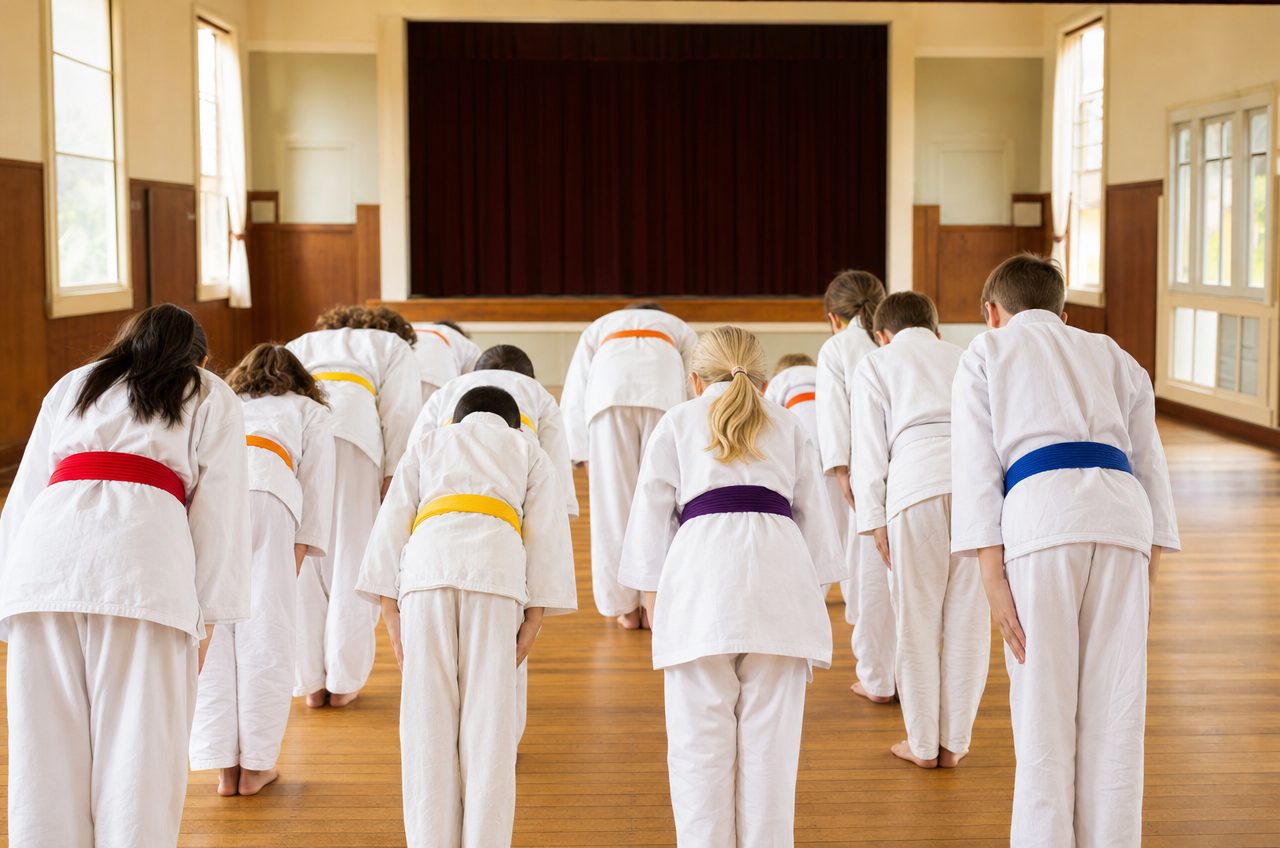
Signing a kid up for martial arts is one of those decisions that feels bigger than it is until you actually walk into a few clubs and get a feel for how they run things. There’s no single right answer here, but there are useful patterns worth knowing before you commit to a term of classes.
What kids actually get out of it
Most parents come to martial arts hoping for more confidence, better focus, and a kid who can sit still at the dinner table for once. In my experience those benefits are real, but they come from consistent, well-run classes rather than the art itself. Learning to follow instructions, take turns, push through something hard, and pick up new physical skills all build what’s sometimes called physical literacy, which is really just a fancy way of saying kids get more comfortable and capable in their own bodies. None of that requires a particular style. It requires a coach who knows how to work with kids and a class structure that keeps them engaged.
Age matters more than the art
Generally speaking, younger kids do best in classes built around movement, games, and short bursts of structured fun rather than technical precision. A five-year-old isn’t going to get much out of drilling a technique for twenty minutes, but they’ll happily run an obstacle course disguised as a warm-up. As kids get a bit older, usually somewhere in the mid-primary years onward, they can start to specialise and take on more technical detail, longer periods of focus, and eventually some form of light sparring or partner drills if the club offers it. Every club structures its age bands slightly differently, so it’s worth asking how a specific class is run for your child’s age rather than assuming.
What to look for in a club
Book a trial class before committing to anything longer. Watching how an instructor actually handles a room full of kids tells you far more than any website or brochure. A few things worth paying attention to:
- How does the instructor manage a kid who’s having an off day, losing focus, or getting frustrated? Patience here says a lot.
- Does the class have a clear safety structure, appropriate supervision, and sensible class sizes for the number of kids on the mat?
- Is there a genuine trial option, so you and your child can see if it’s a good fit before paying for a longer commitment?
- Does your child actually seem to enjoy it afterwards? That’s usually the most reliable signal of all.
Red flags worth watching for
A handful of warning signs tend to show up at clubs that prioritise revenue over teaching. Watch out for what’s sometimes called a belt factory, where grading happens on a fixed schedule regardless of actual skill, mostly to keep parents paying for the next belt and uniform. Be cautious of long lock-in contracts signed on the first visit, before you’ve had a real chance to see how the club operates week to week. Pressure to buy expensive gear immediately, rather than starting with something simple, is another sign worth noticing. None of these things are automatically disqualifying on their own, but a club that has several of them together is worth a harder look before you sign anything.
Popular options around the country
Karate, judo, BJJ, and taekwondo are all widely available in most New Zealand towns and cities, each with their own culture and typical class structure, and any of them can be a genuinely good choice depending on the specific club and coach. If you’re weighing up which of the more common combat sports might suit your family, our piece on comparing martial arts covers a lot of the same considerations that apply to adults, even though the kids’ version of each class usually looks quite different in practice. There’s also a distinctly New Zealand option worth knowing about: Mau Rākau, the traditional Māori martial art built around taiaha and other traditional weapons. We’ve put together a fuller guide to Mau Rākau if you want to understand what makes it different from the more familiar international arts, and it’s a genuinely unique option for families wanting a connection to New Zealand’s own martial traditions alongside the physical benefits.
Trust your kid’s reaction over the marketing
At the end of the day, the class that works is the one your child actually wants to keep going to. A flashy website or an impressive-sounding curriculum means very little if your kid dreads Tuesday nights. Give a trial period an honest go, ask your child how they felt afterwards, and don’t be afraid to try a different club or even a different art if the first one doesn’t click. Most kids find their footing somewhere, it just sometimes takes a bit of shopping around to find the right room for them.